What to verify before booking a dune buggy experience in Dubai
Understanding the desert terrain and your ride
Dubai’s desert is not a single flat expanse of sand. It shifts from soft, powdery patches near the dunes to harder, more compacted strips in the wadis. The same dune buggy that handles a gentle slope may behave very differently on a steep, loose crest. Before you commit to a booking, it pays to understand both the type of desert terrain you’ll be driving on and the buggy model you’ll be using.
A dune buggy is not a standard off-road vehicle. Its light frame, wide tyres and powerful engine are designed specifically for sand. But not all buggies are the same. Some are built for speed on flat stretches, others for climbing and descending dunes. If the tour operator offers a choice of buggy models, ask which one suits the route best. A nimble, two-seater buggy with a low centre of gravity will feel different from a larger, heavier machine. Knowing the match between buggy and terrain helps you set realistic expectations and avoid surprises once you’re out on the sand.
Safety equipment and helmet standards
A safety helmet is non-negotiable when driving a dune buggy. But not all helmets sold in the region meet the same standards. Check whether the operator provides helmets that carry a recognised certification, such as ECE 22.05 or DOT. A cheap, unbranded helmet may offer little protection in a rollover or a head-on collision. Also confirm that goggles or a visor are included. Desert dust can reduce visibility to near zero in seconds, and a scratched or ill-fitting visor can be as dangerous as none at all.
Beyond the helmet, look for other safety gear. Gloves, elbow pads and a sturdy set of boots are common in professional setups. If the operator does not offer these as standard, ask whether you can bring your own. Remember that the desert heat can make protective gear uncomfortable, but it is better to be warm and safe than cool and injured.
Driver experience and training provision
Most dune buggy tours in Dubai cater to novices as well as experienced off-road drivers. But the level of training before the ride varies widely. Some operators give a five-minute briefing on how to steer and brake; others run a proper training session on a closed course. For a first-time driver, a thorough introduction is essential. You need to know how the buggy behaves when you turn sharply on soft sand, how to manage a slide, and what to do if the buggy gets stuck.
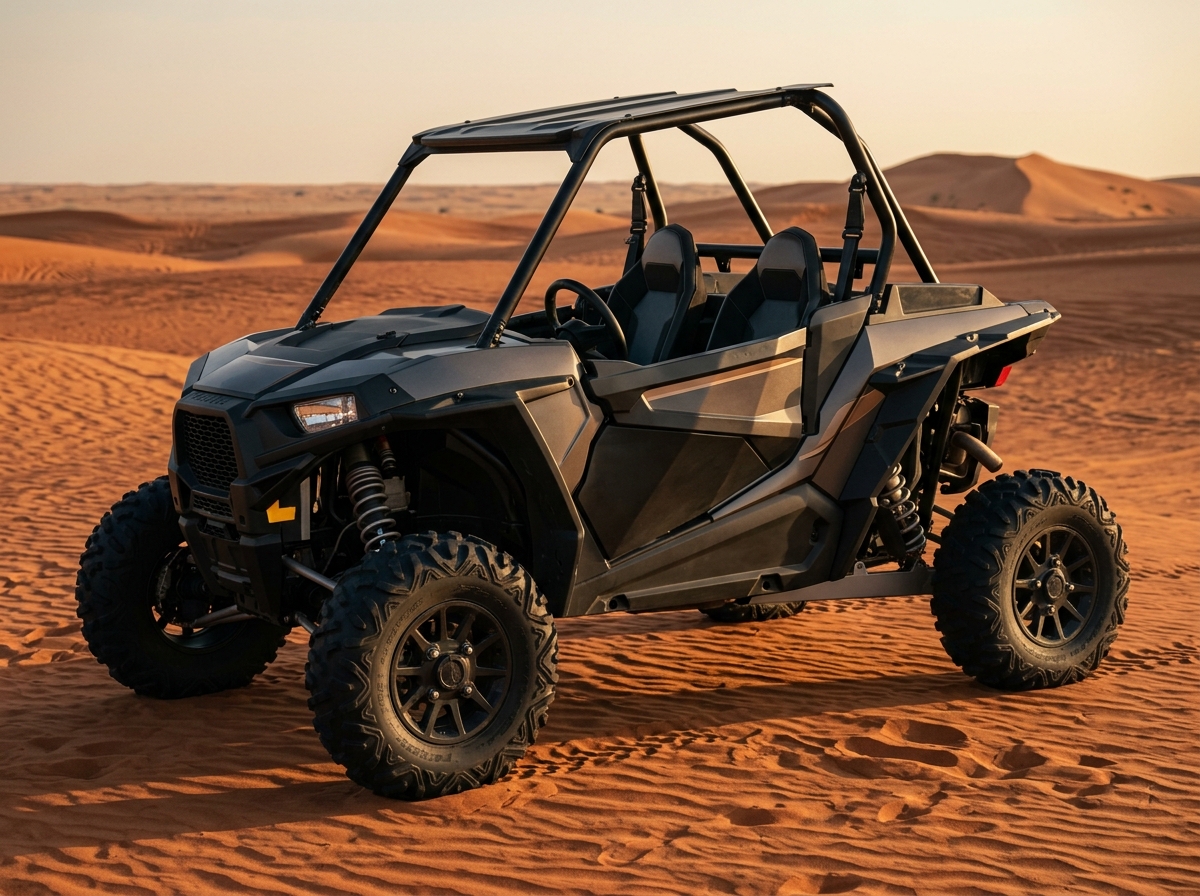
Ask about the instructor-to-driver ratio. A small group with a dedicated guide can offer more personalised guidance. A large caravan of buggies following a single guide may leave you to figure things out on your own. If you are nervous, a private or semi-private tour can make the experience far more enjoyable.
Vehicle maintenance and condition
A well-maintained buggy is safer and more fun to drive. Before you book, find out how often the operator services its fleet. Look for signs of wear when you arrive: cracked seats, frayed seatbelts, or tyres with low tread. A buggy that has been ridden hard without proper upkeep may suffer from brake fade, steering play, or engine overheating during a long session. Reputable operators keep their vehicles in good order and do not mind showing you the maintenance log.
If possible, inspect the buggy you will drive before you set off. Check the tyres for cuts and the brake pedal for smooth travel. A pre-ride walk-around gives you confidence and shows the operator that you take safety seriously. If something looks wrong, speak up. A good operator will replace the buggy without fuss.
Tour length, route and recovery support
The duration of a dune buggy tour can range from a short 30-minute loop to a full morning or afternoon expedition. A longer tour usually covers more varied terrain, but it also demands more stamina and focus from the driver. Think about your own comfort and attention span. A two-hour session on bumpy sand can be physically tiring, especially if you are not used to it.
Ask about the route. Does it stay on marked tracks, or does it venture into open desert where the guide picks a path on the fly? Open desert offers more freedom but also more risk of getting lost or stuck. Confirm that the operator carries recovery equipment: a winch, a tow rope, and enough fuel and water for the entire group. If a buggy breaks down or gets buried, the response time matters. A tour with a support vehicle trailing behind is a sign of a well-organised operation. You can read more about the typical setup and equipment choices on dunebuggyadventure.co, which offers a good overview of what to expect from a professional tour.
Insurance and liability waivers
Most operators require you to sign a waiver before driving. Read it carefully. The waiver usually states that you accept the risks of off-road driving and that the operator is not liable for damage to the buggy or injury to yourself. Some waivers also hold you responsible for the cost of any damage you cause, which can run into thousands of dirhams if you roll the buggy. Ask whether the price includes any insurance cover. A few operators offer optional damage waiver insurance that caps your liability. If you are driving a high-performance buggy, this cover is worth considering.
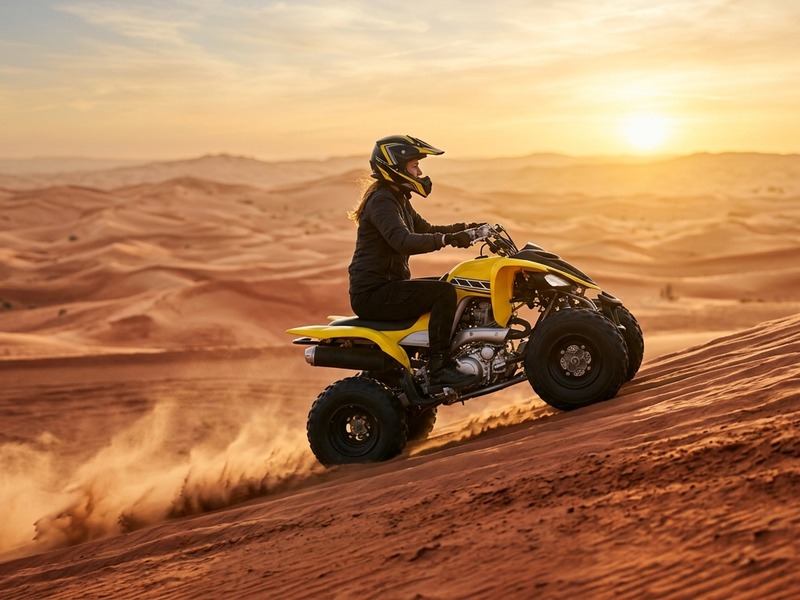
Check your own travel insurance too. Many standard policies exclude motorised adventure sports. A dedicated adventure sports rider can save you a lot of money if something goes wrong. Never assume you are covered; verify it.
Group size, pace and atmosphere
The social setting of the tour matters. A small group of friends or a family outing will want a different pace from a large corporate group. Ask how many buggies run in a typical session. A group of more than ten buggies can feel chaotic, with dust clouds and noise that reduce your visibility and concentration. A smaller group allows the guide to adjust the speed to the least confident driver, which makes the experience more inclusive and less stressful.
If you are an experienced driver, ask whether the operator offers a fast-paced session or a separate track for advanced riders. Some operators split the group by skill level after a short assessment. This way, beginners can learn without pressure, and experienced drivers can push the buggy harder. A tour that treats everyone the same rarely satisfies both ends of the skill spectrum.
Weather and timing
Dubai’s desert is at its most pleasant between October and March. Summer months bring extreme heat that can make a dune buggy session uncomfortable and even dangerous. Even in cooler months, the midday sun can be harsh. The best times are early morning or late afternoon, when the light is softer and the temperature lower. A tour that starts at dawn also avoids the worst of the wind, which picks up as the day warms.
Ask about the policy for bad weather. Heavy rain can turn desert tracks into slippery mud, and sandstorms reduce visibility. A responsible operator will cancel or reschedule in unsafe conditions. Check whether your booking is refundable or transferable in such cases. You do not want to lose your money because of weather that you could not control.
Reviews and reputation
Online reviews give a snapshot of what to expect, but read them critically. Look for patterns. If several reviews mention dirty equipment, late starts, or rude guides, treat those as red flags. Positive reviews that mention well-maintained buggies and clear safety briefings are a good sign. Cross-reference reviews on multiple platforms to get a balanced view. A single bad review may be an outlier; a chorus of complaints is a warning.

Also check how long the operator has been in business. A company that has run tours for several years has had time to refine its processes and build a reliable fleet. New operators can be fine, but they may lack the experience to handle unexpected situations. The website dunebuggyadventure.co provides useful information about different operators and what they offer, so it is worth a visit before you decide.
Booking a dune buggy ride in Dubai can be a memorable highlight of your trip, provided you do a little homework first. Understand the terrain, check the equipment, confirm the training, and read the waiver. With the right preparation, you can focus on the thrill of the ride rather than worrying about what might go wrong.